
Analysis
EYE ADABA: ASA'S MUSICAL SOPHISTICATION, THE BEAUTY OF HARMONIC EXPRESSION AND THE ART OF SONIC STORYTELLING
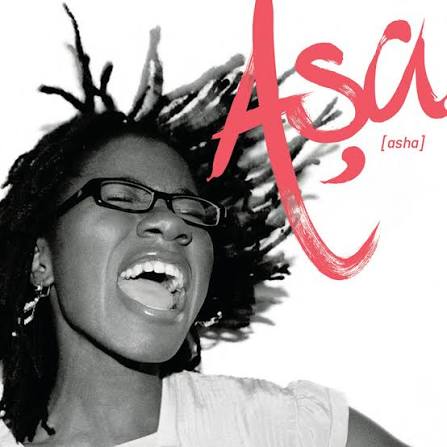
There are compositions that captivate through their melodies, others through their lyrical depth, and some through the extraordinary relationship between instrumentation, vocal interpretation and harmonic expression. Asa's Eye Adaba belongs to a distinctive category of musical works in which these elements converge to create an intimate, sophisticated and deeply expressive listening experience.
From the opening guitar passage, the composition establishes an atmosphere of remarkable musical sensitivity. The subtle minor-key movement that introduces the vocal section is particularly noteworthy. Rather than relying on an elaborate instrumental opening, the guitar establishes the emotional foundation of the composition through restraint, tonal movement and carefully considered phrasing. There is an understated sophistication in the way the minor tonal character prepares the listener for the vocal entrance, creating an atmosphere that feels both reflective and inviting.
The guitar arrangement deserves particular attention. Its movement between broken-chord patterns and rhythmic strumming creates an interesting balance between melodic articulation and harmonic support. The broken chords provide a delicate sense of movement, allowing individual notes to breathe within the musical arrangement, while the strummed passages introduce a gentle rhythmic continuity that supports the vocal delivery. This relationship is neither excessive nor intrusive. Instead, the guitar functions as an expressive musical partner to the voice, complementing its phrasing while maintaining the compositional identity of the song.
Perhaps even more compelling is the movement between major and minor tonalities. This harmonic interplay contributes significantly to the emotional character of the composition. The shifts in tonal colour introduce subtle contrasts between warmth, melancholy, tenderness and reflection. Such transitions, when thoughtfully executed, give a composition emotional depth beyond what melody alone can achieve. In Eye Adaba, the guitar becomes more than an accompanying instrument; it participates in the emotional storytelling of the music.
Another outstanding dimension of the composition is the treatment of the background vocals. Their harmonic structure demonstrates an appreciation for vocal layering, tonal balance and the expressive possibilities of multiple vocal lines. Rather than serving merely as additional sound behind the lead vocalist, the background harmonies enrich the musical texture, creating a fuller sonic environment around Asa's voice. Their placement and relationship with the lead vocal contribute to the composition's warmth, while preserving the intimacy that defines its overall character.
The orchestral arrangement also introduces an important dimension to the listening experience. Particularly striking is the introduction of the flute, which leads the instrumental interlude before the chorus returns. This is a thoughtful arrangement decision. The flute provides a contrasting melodic colour, momentarily shifting the listener's attention from the vocal narrative to the instrumental conversation taking place within the composition. Its entrance is not simply ornamental; it creates a transitional space that allows the music to breathe before returning to the familiarity of the chorus.
This orchestral interlude reveals an understanding of musical architecture. A well-conceived arrangement is not simply about the number of instruments introduced into a recording, but about knowing when an instrument should enter, what musical responsibility it should fulfil and how its contribution advances the emotional and structural development of the composition. The flute's placement illustrates this principle, giving the arrangement a sense of progression without compromising its delicate character.
What makes Eye Adaba particularly interesting, however, is its relationship with Yoruba musical expression. The song's soft jazz sensibilities provide an elegant harmonic and instrumental framework, while the Yoruba vocalisation and tonal inflections introduce a distinct cultural identity. This relationship is significant because language in music is not merely a vehicle for communicating lyrics. Its tonal characteristics, pronunciation, melodic inflections and rhythmic possibilities can become essential components of the composition itself.
The Yoruba vocal delivery contributes an additional layer of musical identity, allowing the cultural character of the language to exist naturally within the song's melodic and harmonic environment. Rather than treating cultural expression as an isolated stylistic feature, the composition allows it to become part of the broader musical language. The result is an interesting meeting point between contemporary jazz-influenced arrangement and indigenous vocal sensibility.
Asa's vocal interpretation is central to the success of this musical experience. Her approach demonstrates the value of restraint, control and expressive sensitivity in vocal performance. There is a distinctive quality in the way she allows the melody to unfold without overwhelming the instrumental arrangement. Her vocal presence does not compete with the guitar, the background harmonies or the flute. Instead, these elements work in conversation, each contributing to a carefully balanced musical picture.
This is one of the qualities that distinguishes Asa as an artist. Her musical identity is not dependent on vocal excess or unnecessary technical display. She understands the expressive possibilities of space, phrasing, tonal control and emotional interpretation. Her artistry demonstrates that musical sophistication can often be found in simplicity, provided that the simplicity is supported by intentional compositional decisions and a clear artistic vision.
Ultimately, Eye Adaba offers an engaging example of how composition, arrangement, instrumentation and cultural expression can work together to create a coherent musical statement. Its guitar introduction, harmonic transitions, layered background vocals, flute-led interlude and Yoruba vocal character all contribute to an arrangement that rewards attentive listening.
Asa remains an artist in a class of her own. Her work continues to demonstrate an artistic understanding of music that extends beyond melody and lyrical delivery into the more intricate relationship between sound, structure, culture and emotion.
Eye Adaba is therefore more than an enjoyable musical experience. It is a compelling demonstration of compositional sensitivity, vocal artistry and thoughtful musical arrangement. It reminds us that a masterpiece does not necessarily announce itself through grand instrumentation or overwhelming production. Sometimes, its greatest achievement lies in the precision of a guitar progression, the beauty of a vocal harmony, the entrance of a flute and the delicate movement between two tonal worlds.
Reviewed by Oscar Enamino