
Review
Carnival of Colours: How Costume Show 1.0 Turned Fashion into Performance
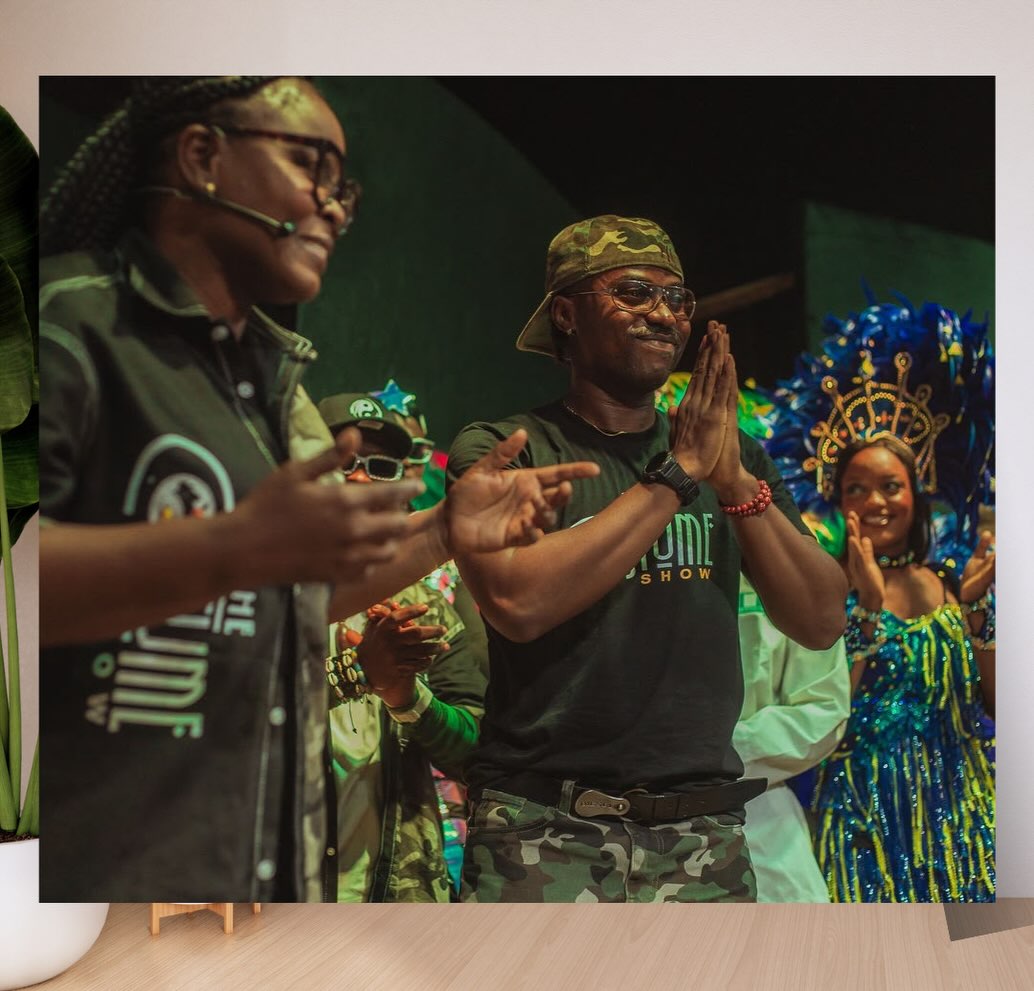
In July 2026, Lagos, Nigeria, experienced a carnival of colours, movement and artistic expression as Costume Show 1.0, a production of Epic Costume 2026, brought together fashion, music, styling and choreography in a compelling celebration of creative performance.
What unfolded was more than a presentation of costumes. It was an encounter with the possibilities of art when different creative disciplines are brought into conversation. Through the interplay of colour, sound, movement and visual elegance, Costume Show 1.0 demonstrated how fashion can transcend its conventional boundaries to become an expressive performance.
The production's defining quality was its synchronization. The costumes provided the visual language, the choreography supplied physical expression, and the music established a rhythmic and emotional framework through which the presentation came alive. Each element contributed to the overall experience, creating a relationship between what the audience saw, heard and felt.
The musical movement was particularly significant. Beyond serving as background accompaniment, the melodic progressions, rhythmic shifts and subtle musical nuances helped shape the character of the presentation. The interaction between sound and choreography gave the display a sense of continuity, allowing movement to become part of the storytelling. In this context, the costumes were not simply displayed; they were animated through performance.
Styling further strengthened the visual character of the production. The relationship between costume, movement and presentation demonstrated that clothing can function as more than an aesthetic statement. Within a carefully constructed performance, it becomes a medium through which identity, imagination and artistic intention can be communicated. The elegance of the presentation emerged not from the costumes alone, but from how they were embodied, interpreted and presented.
This integration of artistic disciplines invites a broader consideration of what a costume show can achieve. Fashion events are often evaluated primarily through the quality of their designs and the visual appeal of their collections. Costume Show 1.0 offered a different perspective by foregrounding the relationship between fashion and the performing arts. Its appeal lay in the way these disciplines complemented one another, creating an experience that extended beyond the runway or the conventional fashion showcase.
Prince Iyke Peterside and the Art of Production
At the centre of this creative undertaking was Prince Iyke Peterside, the producer of Costume Show 1.0. His role provides an important point of entry into understanding the production as a coordinated artistic experience rather than a collection of separate performances.
Producing a multidisciplinary event requires the alignment of creative decisions, from the visual identity of the presentation to the timing of musical cues, the movement of performers and the overall flow of the experience. The effectiveness of such a production depends on how these components are brought together to serve a coherent artistic vision.
Costume Show 1.0's combination of choreography, musical nuances, styling and visual presentation illustrates the importance of this coordination. The production invited audiences to appreciate not only the individual creative contributions but also the relationships that made them meaningful as a collective experience.
Recognising Peterside's contribution therefore extends beyond acknowledging the person responsible for bringing the event together. It opens a conversation about the often-underappreciated role of production in shaping artistic experiences. Behind a compelling presentation is the work of aligning people, disciplines and creative intentions so that the final result communicates something greater than its individual parts.
Beyond Fashion: The Cultural Possibilities of Costume
The significance of Costume Show 1.0 lies in its demonstration that costume, when integrated with music and movement, can become a powerful instrument of cultural and artistic expression.
Costume carries visual meaning. Choreography gives that meaning movement, while music influences its emotional interpretation. When these elements converge, they create opportunities for audiences to engage with fashion as a living art form. The result is an experience in which aesthetics and performance are inseparable.
This is particularly relevant to Lagos, a city whose creative environment encompasses fashion, music, performance and a continually evolving cultural economy. Productions that bring these disciplines together contribute to a broader understanding of how creative expression can move across traditional artistic categories.
However, the value of such productions extends beyond spectacle. Their lasting significance depends on the artistic ideas they communicate, the coherence of their execution and their capacity to create meaningful audience experiences. Costume Show 1.0 provides a useful basis for examining these questions and considering the potential of multidisciplinary productions within Nigeria's wider creative landscape.
A Celebration of Synchronization and Expression
Costume Show 1.0, presented by Epic Costume 2026 in July, offered an opportunity to appreciate the expressive possibilities that emerge when fashion meets performance. Its combination of styling, choreography, musical movement and visual elegance illustrated how artistic disciplines can reinforce one another to produce a unified experience.
The image of a carnival of colours captures the event's visual and expressive appeal, but its deeper significance lies in the synchronization behind that spectacle. It is the coordination of sound, movement, costume and creative direction that allows a presentation to become an experience.
Through Prince Iyke Peterside's role as producer, the event also draws attention to the importance of production in translating creative possibilities into a cohesive public presentation.
Ultimately, Costume Show 1.0 invites us to look beyond the costume itself and consider the artistic relationships that bring it to life. It reminds us that elegance can be expressive, movement can communicate, and fashion can become performance when guided by a coherent creative vision.
In that convergence lies the show's most compelling proposition: art is not always experienced through a single discipline. Sometimes, its greatest impact emerges when many forms of expression move together.